
How to Choose the Best IPTV Service for Your Needs
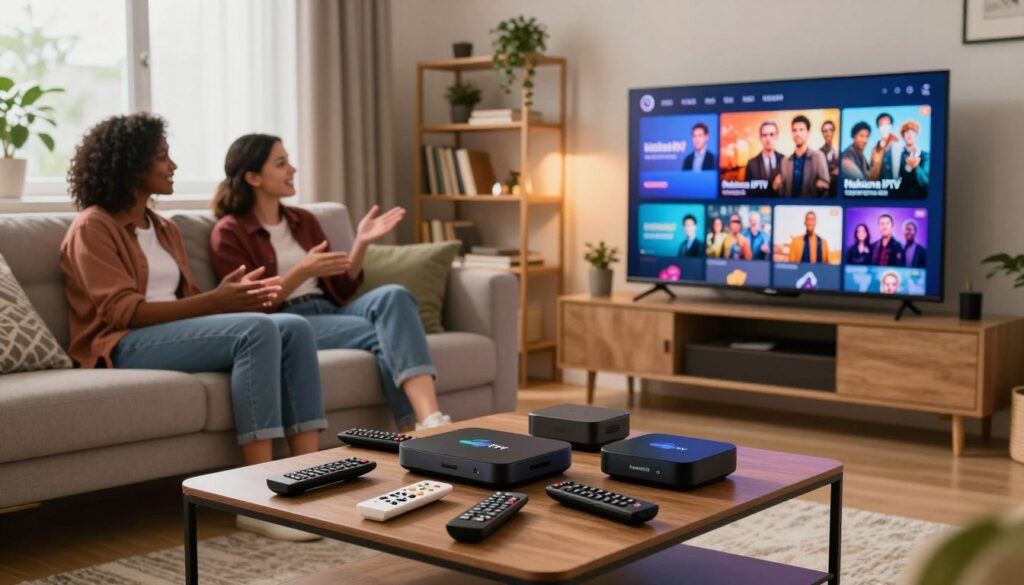
Finding the right digital TV provider can be tough with so many choicesIPTV Service. You want a service that offers great quality without buffering or surprise fees. It’s key to find the best value for your money and enjoy watching without interruptions. This detailed Best IPTV Service streaming guide helps you see past all the options. We’ll look at what really matters, like the number of channels and how stable the service is. Knowing these things helps you pick a provider that’s just right for you. Whether you love sports or movies, choosing wisely is crucial for a great home entertainment setup. Let’s find out how to pick a top iptv service that suits your home. Key Takeaways Understanding the Basics of IPTV Service Technology IPTV changes how we watch media. It sends content as digital packets over the internet. This is different from old ways like satellites or cables. Your home network gets and decodes these packets fast. This means you can watch shows right away. Providers use strong servers to keep IPTV Service streaming quality high. These servers store lots of content. They send it to you through Content Delivery Networks (CDNs). CDNs make content reach you faster. This cuts down on buffering and lag. When you pick a show, your device asks the server. The server breaks the video into small packets. These packets go over the internet to your screen. Your device puts these packets together fast. This makes watching shows smooth. Knowing how this works helps fix IPTV Service streaming quality problems. Feature Traditional Cable IPTV Technology Delivery Method Coaxial Cable Internet Protocol Content Control Fixed Schedule On-Demand Access Streaming Quality Standardized Adaptive Bitrate Infrastructure Dedicated Lines Global CDN Network Assessing Your Personal Viewing Preferences Your TV experience should match what you love to watch every day. By defining your IPTV Service viewing preferences, your digital library stays engaging and relevant. Whether you love live sports, international news, or classic movies, knowing what you want is key. Start by making a list of the networks and genres you watch most. This helps you cut out unnecessary content that fills standard service tiers. By focusing on what you actually watch, you avoid paying for channels you won’t use. When looking at an IPTV Service channel lineup, pay close attention to details. Make sure the provider offers high-definition access to your favorite stations. Use the table below to organize your needs and find the right service features: Category Priority Level Key Feature Live Sports High Regional Sports Networks On-Demand Movies Medium VOD Library Access International News High Global Broadcast Feeds Children’s Programming Low Parental Control Tools After finding out what you really need, you can compare different providers. A good iptv channel lineup focuses on quality over quantity. This way, you save money and get more entertainment every day. Evaluating Technical Requirements and Internet Speed Your home network is key for streaming. If it can’t handle the data, you’ll see buffering and poor quality. Knowing your internet speed requirements is crucial for smooth streaming. Streaming needs a steady data flow. SD content might work on slower speeds, but HD and 4K need more. Make sure your plan can handle your family’s online use. To check if your setup meets IPTV Service technical requirements, do a speed test during busy times. This shows your bandwidth when everyone’s online. If it’s too low, you might need a faster plan or better router placement. Managing devices is also important. Each device uses some of your bandwidth. Balancing this can stop lag and keep your shows playing smoothly. Streaming Quality Minimum Speed Recommended Speed Standard Definition (SD) 3 Mbps 5 Mbps High Definition (HD) 5 Mbps 10 Mbps 4K Ultra HD 15 Mbps 25 Mbps Multiple Devices 25 Mbps 50+ Mbps Checking these technical details now can save you trouble later. Good preparation means your streaming service works well. Always aim for a stable connection for the best streaming experience. Checking Device Compatibility and App Support Before you buy a subscription, make sure your device can run it. Good IPTV Service device compatibility means smooth streaming. Don’t think every device in your home will work. IPTV Service Top providers have apps for many devices. Check if your devices are supported before buying. Here are some common ones: Look for iptv app support that’s always updated. A good app means you get new features and security fast. It should be easy to use, making watching TV better. User-friendly interfaces are key. A hard-to-use app can ruin your streaming experience. Try it out during a trial to see if it fits your style. Checking iptv device compatibility and iptv app support saves you trouble later. It makes sure your service works well with your setup. This way, your investment is worth it from the start. Analyzing Subscription Plans and Pricing Structures Smart consumers know the real cost of a service is more than the monthly price. When looking at iptv subscription plans, don’t just look at ads. Look at what you get each month. Providers offer different billing cycles, from monthly to annual plans with discounts. It’s key to understand iptv pricing structures to keep your entertainment budget healthy. Monthly plans give you flexibility but cost more than long-term contracts. Think about saving money with annual plans but also consider if they fit your future needs. Watch out for low introductory rates that increase later. These deals can lead to a big price jump. Always check for hidden fees like activation costs or equipment charges that can raise your total cost. To find the best value in iptv subscription plans, calculate the cost per connection. A plan that lets you stream on multiple devices at once might be better than a cheaper single-device plan. This way, you get more for your money with iptv pricing structures. Plan Type Billing Frequency Value Rating Best For Monthly Every 30 Days Low Short-term testing Quarterly Every 3 Months Medium Budget-conscious users Annual Every 12 Months